
Either works well. An electric brush cleans a little more plaque and a built-in timer helps you go the full 2 minutes. A soft manual brush used well does the job too. How you brush matters more than what you're holding.
Adult Oral Care
Home care guide for ages 12 and up
At Night
The night routine matters the most. Saliva slows while you sleep, so that’s when your teeth are least protected.
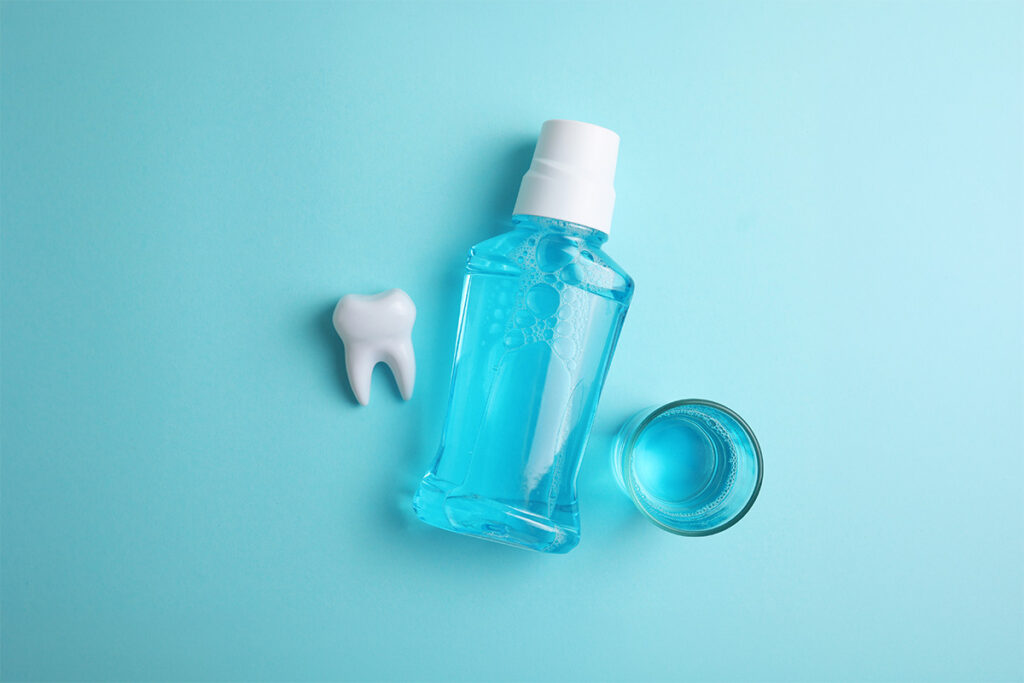
1. Use an antiseptic rinse (EXTRA)
An alcohol-free rinse, such as CloSYS, to loosen debris before you clean.
2. Scrape your tongue (EXTRA)
A few gentle passes, back to front, rinsing between.
3. Clean between your teeth (ESSENTIAL)
Once a day. Curve the floss into a C-shape around each tooth, then slide it gently just beneath the gumline.
4. Brush for two minutes, then spit (ESSENTIAL)
Pea-sized fluoride toothpaste, soft bristles at a 45° angle to the gumline, small circles. Spit out the extra, but don’t rinse with water or mouthwash. That washes away the fluoride that keeps working overnight. Nothing to eat or drink after.

In the Morning
1. Scrape your tongue (EXTRA)
Where morning breath comes from.
2. Brush 2 minutes, then spit (ESSENTIAL)
Before breakfast is ideal. Pea-sized fluoride toothpaste. Spit or rinse with fluoride rinse if you prefer.
3. Fluoride rinse (OPTIONAL)
Use this instead of rinsing with water, it freshens your breath and leaves fluoride behind. Nothing to eat or drink for 30 minutes.
Common Questions
-
Manual or electric?
-
How much toothpaste should I use?
A pea-sized amount is all an adult needs.
-
When should I brush?
Morning and last thing at night. The nighttime one matters most. Before breakfast is ideal, it gets fluoride on your teeth ahead of the day.
-
Am I brushing too hard?
A few signs give it away: bristles that splay out within a few weeks, gums that look like they're pulling back, or brushing that feels scrubby. Pressure wears down gums without cleaning any better. Let the bristles do the work. Many electric brushes have a pressure sensor that'll tell you.
-
Do I need to floss if I brush well?
Yes. Brushing can't reach between the teeth, where many cavities and gum problems begin.
-
Are floss picks okay instead of string floss?
Yes, the best floss is the one you'll use consistently. String floss cleans most thoroughly, but picks are far better than skipping.
-
Can a water flosser replace floss?
No, they do different jobs. Water can't get into the tight spot where teeth touch, and that's where cavities start, so floss stays essential.
A water flosser is excellent for gum health and around bridges, implants, and braces. Start on the lowest setting, work up to firm-but-comfortable, and aim at the gumline.
-
My gums bleed when I brush. Should I stop?
Keep going, gently. Bleeding is usually a sign of early inflammation, and it normally settles within a week or two once you're cleaning consistently. If it doesn't, let us know.
-
Do I need mouthwash?
You don't have to. Brushing and flossing do nearly all the work. An antiseptic rinse before you brush at night helps loosen debris, and a fluoride rinse in the morning gives you fresh breath. Just don't rinse after your night brushing. The fluoride from toothpaste keeps working for hours while you sleep, and mouthwash washes it straight off.
-
Do I need to clean my tongue?
For fresh breath, yes. The coating on the back of the tongue is where most odor-causing bacteria live. It isn't a cavity or gum disease measure.
-
How do I clean around an implant, bridge, or crown?
Underneath and around it, not just over the top. A superfloss, floss threader, or interdental brush gets where regular floss can't, and a water flosser helps here too.
-
My teeth are sensitive. What helps?
Try a toothpaste made for sensitivity, used consistently for a few weeks; it works gradually rather than overnight. If you have pain that's sharp, lingers after the cold is gone, or comes from one particular tooth, let us know.
-
My mouth feels dry. Does that matter?
It does. Saliva is your natural defense against cavities, so sip water often and try xylitol gum or mints. If it persists, let us know.
Habits & Gum Care
-
Replace your brush or electric head
Whenever bristles start to fray or after an illness. Store it upright to air-dry, and don’t share.
-
Keep your visits
Checkups catch problems while they’re small. Every 6 months works for most people, though not everyone. We’ll tell you if you should come more often.
-
Watch the sugar
How often matters more than how much. Every sugary snack or drink starts a fresh acid attack. Keep sugar to mealtimes and rinse with water in between.
-
Aligners, retainers & night guards
Clean with cool water, mild soap, and a soft brush — never hot water, which warps them. Brush and floss before putting them back in, and store them in the case, not a napkin.
If You've Been Told You Have Gum Disease
Would interdental brushes help me?
Often, yes. Where gums have receded and left small spaces, these clean better than floss. The right fit is important; we can help size them. Also, stopping smoking, controlling blood sugar if you're diabetic makes a big difference.
Why cleanings every 3–4 months?
After a deep cleaning, the bacteria that inflame your gums build back over about 90 days. Coming in that often keeps them in check and protects the bone holding your teeth in place.
When to Give Us a Call
• Bleeding that doesn't settle after two weeks of gentle daily cleaning
• A loose or painful tooth, or one that has changed position
• Sensitivity to hot or cold that lingers after the source is gone
• A lost filling or crown, or a chipped tooth
• A mouth sore or ulcer that hasn't healed in two weeks
• Facial swelling, or tooth pain with a fever.
Explore Related Home Care Topics